
Discipline and Respect in Martial Arts for Kids
Discipline and Respect in Martial Arts for Kids isn’t just a slogan—it’s something children actively practice every time they step into the DoJang. Among all the after-school activities parents consider, martial arts often rises to the top. Why? Sometimes kids misbehave at home, ignore instructions in class, or struggle to sit still. Other times, they interrupt, get silly at the wrong time, or show moments of disrespect toward parents or teachers. These challenges are a normal part of growing up, but they’re also clear signals that guidance and structure can help.
Choe’s HapKiDo Martial Arts gives kids a constructive, encouraging space to work through those habits. Inside the DoJang, students learn character, self-control, and courtesy through daily routines and expectations. They discover that discipline isn’t punishment—it’s learning how to listen, respect others, and rise to new challenges. So how do martial arts instructors teach discipline and respect in a way that feels firm but not discouraging?
Below are three proven benefits that make a real difference in a child’s behavior and growth.
1st Benefit: Discipline in Martial Arts Builds Real Self-Control
In martial arts, discipline is rooted in structure, guidance, and consistent practice. When a child interrupts, laughs at a classmate who’s struggling, or has trouble staying focused, instructors respond with patience and clarity. Instead of shame or punishment, they coach the child to stand tall, pay attention, and try again respectfully.
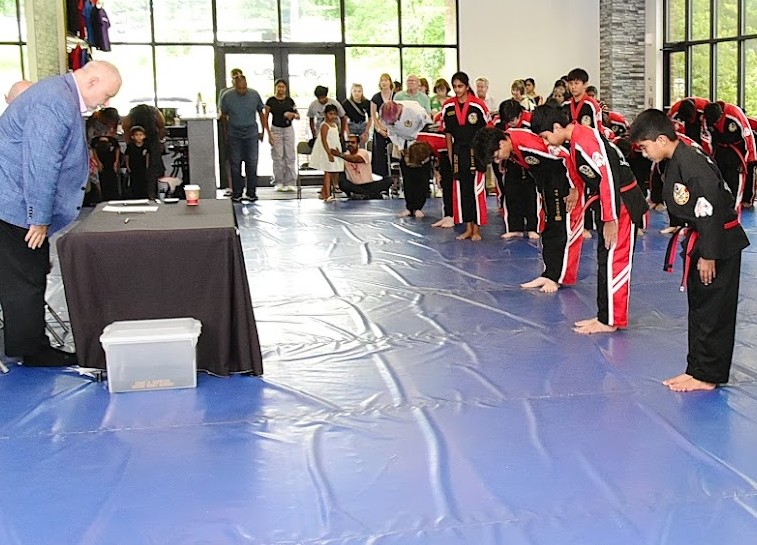
These repeated moments help kids understand accountability in a positive way. DoJang routines like bowing when entering the mat, lining up neatly, and waiting their turn give children a clear picture of what respectful behavior looks like.
Over time, these habits begin influencing their behavior outside the DoJang. As one parent shared in a Google review, “The instructors are polite, have a lot of patience, and teach kids the value of respect, confidence, focus, [and] discipline.” (cmbommalu)
These everyday practices form the foundation of Discipline and Respect in Martial Arts for Kids, turning self-control into something kids can rely on at home, in school, and beyond.
2nd Benefit: Respect Becomes a Habit, Not a Rule
Respect is woven into every part of martial arts training. Kids bow to instructors, encourage teammates, and learn to treat the mat—and each other—with courtesy. These moments help kids understand that their actions affect the people around them, which is something many children don’t fully grasp until they experience it.
One parent said it best in a Google review:
“All instructors lead with kindness and respect and teach all kids the same values. My sons have learned to defend themselves, gained confidence, and improved on both attention and social skills.” (Alfia Nasyrova)
As kids internalize these expectations, respect stops being a rule and becomes part of who they are. Parents often notice improved patience with siblings, better cooperation with teachers, and more thoughtful interactions with friends. This is one of the most powerful outcomes of Discipline and Respect in Martial Arts for Kids.
3rd Benefit: Structured DoJang Training Creates Consistency and Character
Kids thrive when they know what to expect—and martial arts gives them exactly that. DoJang structure sets clear expectations and routines that help children succeed. Bowing in, following a sequence of drills, practicing self-defense, and focusing through each stage of class all teach consistency and perseverance. Belt progression, especially, helps kids understand patience and long-term effort.
A Google reviewer shared,
“At Choe’s, children have improved their confidence, respect, and physical capabilities since joining. They are in a safe place where they learn not just self-defense, but also to be respectful to others.” (Sravanthi Marneni)
Through structure, encouragement, and accountability, kids develop character traits that show up far beyond martial arts—traits that help them navigate challenges at school, at home, and in social situations.
Bonus Reading for Discipline and Respect in Martial Arts for Kids
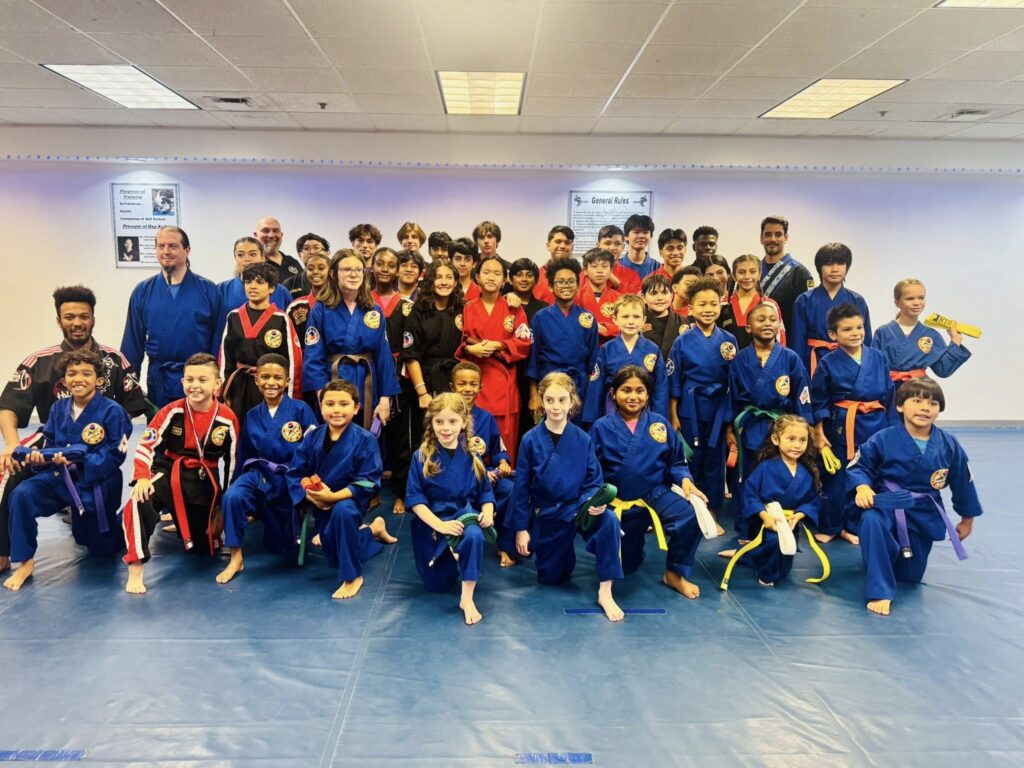
Discipline and Respect in Martial Arts for Kids are a game changer. Curious about what martial arts can do for your family as a whole? Check out Family-Friendly Martial Arts in Cumming. Want to learn more about how training helps kids grow in confidence and focus? See Martial Arts Helps Kids.
Is Martial Arts Punishment or Discipline?
Martial arts helps students grow by shaping behavior, character, and social skills through positive expectations—not punishment. With supportive instructors, clear routines, and strong role models, kids learn to carry discipline and respect into everyday life. This is where Discipline and Respect in Martial Arts for Kids really shines: the results show up everywhere, from better listening and improved interactions to more confidence when facing challenges.
If you’d like to see how this environment could support your child, try a Family Class and experience it firsthand. Learning in a new setting—with new expectations—often brings out focus, effort, and respect in ways that surprise even the parents.
Check out our locations page to find a school near you and schedule a trial class today:
Check out our locations page to find a school near you and schedule a trial class today! www.TryKarateClasses.com/karate-locations/. Also follow Choe’s HapKiDo on Facebook: https://www.facebook.com/choeshapkidomartialarts !